Nickel-free cosmetics
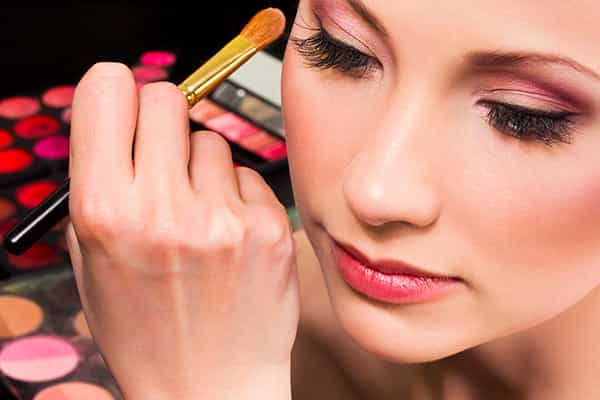
Not everyone knows that nickel is also often found in products intended for beauty and personal care: it is contained in soaps, body and face creams and cosmetics. Fortunately, thanks to the growing awareness of public opinion towards this problem, there are more and more so-called "nickel free" cosmetics, which do not contain even a minimum percentage of this metal. After all, for those who suffer from rather strong forms of allergies, very little is enough to trigger an attack that involves the appearance of blisters all over the body and intense itching, symptoms that only subside by taking antihistamines. The most serious cases can degenerate into anaphylactic shock: if a person has a particularly strong allergic reaction, therefore, it is best to go to the nearest emergency room. Nickel allergy often manifests itself with the slightest contact, i.e. just applying a little cream or foundation on the body can trigger various ailments and ailments. So the skin swells, becomes red and itchy, and often it is not enough to clean it deeply to immediately stop these unpleasant symptoms. The only solution is to no longer use this type of product and use strictly nickel-free cosmetics, i.e. those that contain this wording on the packaging. There are now very few cosmetic products that contain this metal, it is also true that, to avoid risks, it is better to rely on companies that subject each product to very severe chemical and dermatological tests. In order not to jeopardize your health, and in this case also the beauty of your skin, it is always advisable to purchase branded cosmetics and make-up, made by companies you trust, who make transparency their business philosophy and who they strictly list on each package all the ingredients and preservatives contained in a specific product (this list is found on a label that shows what is called the INCI of the product, i.e. the list of raw materials used to make it). Many times it is not enough that nickel does not appear among the ingredients used: in fact, the impurity of some raw materials or even the unsuitable material with which the containers of the used cosmetic were made can be enough to trigger the allergic reaction. From a legal point of view, unfortunately today there are no regulations that require the manufacturing company to verify that its cosmetics do not contain nickel before placing them on the market. Cosmetic and pharmaceutical companies, therefore, are not obliged to test their makeup, so not all of them do it; what they do, however, in addition to providing the end customer with an important service, they know that to test positive for nickel, a cosmetic must contain at least <0.00001% of metal. Otherwise, if the percentage is lower, nickel is not detected, but this does not exclude allergic reactions, especially in more sensitive subjects. For all these reasons, before applying any cosmetic on the entire epidermis of the face or body, it is always a good idea to test it on a couple of centimeters of skin: if nothing happens, if no bubbles or redness appear, then you can proceed. worry-free during normal use.
You may also like
The Science and Art of Body Creams for Women
This article delves into the world of beauty body creams for women, exploring dermatologically tested methods, advantages, potential risks, and keys to understanding geographic trends in usage.
The Rise of Men’s Body Beauty Creams: Benefits, Risks, and Innovations
Explore the evolving world of men’s body beauty creams, detailing dermatologically tested methods, treatments, and the latest innovations in the market. Understand regional trends and the best offers available.
Exploring the World of Facial Beauty Creams for Women: Benefits, Risks, and Emerging Research
This article delves into the multifaceted realm of facial beauty creams for women, examining dermatologically tested methods, detailing benefits and potential side effects, and exploring new research and market trends.
Unlocking the Secrets of Men’s Facial Creams: Benefits, Drawbacks, and Emerging Research
Explore how beauty facial creams for men are shaping modern skincare, their dermatologically tested methods, the benefits and drawbacks, alongside compelling new research directions.