Best Sun Loungers for 2026
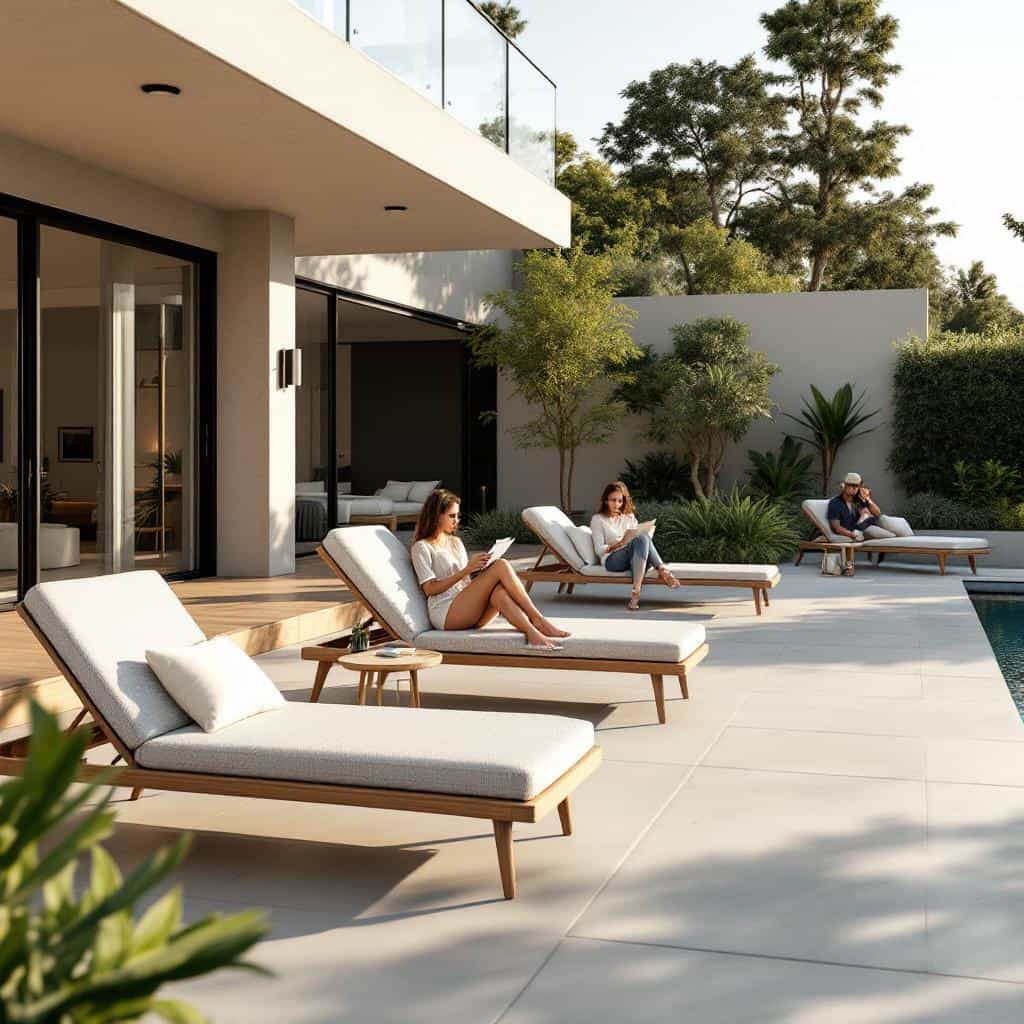
In 2026, the humble sun lounger has become a surprisingly high‑tech, design‑driven piece of outdoor furniture, and the explosion of options can confuse even seasoned buyers. What used to be a simple plastic frame with a reclining backrest is now available in powder‑coated aluminium, marine‑grade steel, recycled plastic, high‑density textilene, and even memory‑foam style cushions designed to survive heavy UV exposure. At the same time, inflation and rising material costs have pushed prices up, forcing consumers to think more carefully about value, durability, and warranty coverage. Industry analysts note that the outdoor furniture segment is growing steadily, especially in Europe and North America, where staycations, garden makeovers, and small‑scale home spas have become post‑pandemic habits that show no sign of fading. The consequence is a crowded market, a lot of marketing buzzwords, and a need to distinguish genuine innovations from simple cosmetic updates.
The 2026 line‑up of top sun loungers is dominated by a few technical trends: lightweight aluminium frames, quick‑dry mesh fabrics, modular and foldable designs, and a growing use of sustainable or recycled materials. Designers have become more aware of ergonomic science, meaning that backrest curvature, lumbar support, and seat height are now key selling points. Dr. Hana Meyer, an ergonomics researcher at a European design institute, explains that proper reclining angle and leg elevation can reduce lower‑back strain during prolonged sunbathing, a detail rarely considered a decade ago. The best loungers now offer multi‑position backrests, often with five to seven detents, and leg sections that can be kept flat or slightly raised. At the high end, some 2026 models integrate hidden wheels, clip‑on side tables, and weather‑resistant cushions with removable, machine‑washable covers, offering a level of comfort once reserved for indoor sofas. Nonetheless, even the most advanced loungers arrive with compromises, whether in weight, storage size, or maintenance needs.
One of the standout categories for 2026 is the premium aluminium mesh lounger, typically priced between €250 and €600 per unit, depending on brand and features. These loungers use powder‑coated aluminium for the frame, which resists rust and is light enough to be moved by a single person, an advantage over older steel models that tended to oxidize quickly in coastal areas. High‑tension textilene or similar synthetic meshes form the seating surface, providing firm but breathable support that dries within minutes after a pool splash or summer shower. Expert reviewers often praise the combination of low maintenance, elegant looks, and long lifespan, especially when manufacturers offer 3‑ to 5‑year warranties against frame corrosion and fabric fading. Yet the very rigidity that makes the mesh durable can be a drawback for those who prefer softer cushioning, and extended lounging without a towel or pad can feel too firm for some users, particularly on bony hips and shoulders. In practice, buyers frequently add separate cushions, inadvertently complicating storage and cleaning.
Alongside mesh models, 2026 has seen a renaissance of so‑called resort‑style loungers: generously padded recliners with thick cushions and solid frames, often marketed as ‘daybeds’. Prices for these can span from about €400 for mid‑range options to well over €1,200 for designer pieces from Italian or Scandinavian brands. The technical heart of these loungers lies in the cushion composition and fabric. High‑quality models use quick‑dry foam with open‑cell structures that let water pass through, paired with solution‑dyed acrylic covers similar to those used in marine applications. These fabrics are engineered to resist UV fading, mildew, and staining, and are often backed by 5‑ to 10‑year fabric warranties, a point that many consumers overlook when comparing price tags. However, the same generous cushions that make these loungers supremely comfortable lead to bulkier dimensions, more complex storage in winter, and the constant need for covers or indoor shelter in harsh climates. Budget padded loungers tend to skimp on foam density and UV resistance, meaning sagging and discoloration can appear within two seasons, something independent testers routinely demonstrate in accelerated weathering labs.
Synthetic rattan or wicker sun loungers also remain popular in 2026, especially for buyers who want a coordinated look with existing patio sets. These loungers typically combine a metal sub‑frame, often powder‑coated steel or aluminium, with hand‑woven polyethylene wicker that mimics natural rattan but survives outdoor exposure. Pricing ranges widely: basic sets can start around €180 per lounger when sold as part of a bundle, while high‑end modular loungers from well‑known outdoor brands commonly exceed €700. The main strength of synthetic wicker is aesthetic versatility, allowing curved silhouettes, integrated armrests, and adjustable backrests that blend into garden landscapes. Still, experts warn about quality differences invisible in glossy catalog photos: thinner, poorly UV‑stabilized wicker strands can crack and fade after a couple of summers, particularly in Mediterranean or tropical sun. Added to this, many wicker loungers rely on cheaper steel frames hidden under the weave, which can rust from the inside out unless properly coated, a flaw that usually becomes apparent only after warranties of one or two years have expired. Savvier buyers and reviewers now actively check warranty details, looking for at least 3 years on the frame and explicit mention of UV resistance for the wicker.
An important 2026 innovation, especially in Europe’s and Asia’s compact urban environments, is the rise of slim folding loungers designed to fit on narrow balconies and small city terraces. These models focus on light weight, rapid folding mechanisms, and vertical storage, with folded thickness sometimes under 15 centimetres and total weights around 5 to 7 kilograms. Prices tend to be more accessible, commonly between €80 and €200, making them attractive to younger buyers and renters. Technically, they have evolved from simple beach chairs to multi‑position loungers with integrated headrests, detachable pillows, and rust‑resistant frames. Many use aluminium tubing and polyester or textilene slings, while recent models tout quick‑lock hinges designed to prevent finger pinches, a safety detail often demanded by consumer protection agencies. The trade‑off is durability and comfort: these loungers are rarely designed for decades of use or all‑day lounging sessions, and warranties often do not exceed two years, with coverage limited to manufacturing defects rather than wear and tear. Critics note that some ultra‑light frames flex noticeably under heavier users, so checking maximum load ratings, now typically printed both in manuals and online listings, has become essential.
At the other end of the spectrum, 2026 has brought further refinement to heavy‑duty wooden loungers, particularly in hardwoods such as teak, acacia, and eucalyptus certified by sustainable forestry schemes. These pieces echo the loungers that once lined the decks of ocean liners and grand hotels in the early twentieth century, when solid wood symbolized status and permanence. Modern versions use precision‑machined joints, stainless‑steel hardware, and slatted designs that allow water drainage, with many models offering pull‑out side trays and discreet back wheels for easier movement. Prices for quality teak loungers usually start around €450 and can reach €1,000 or more for premium brands that offer 5‑year or even 10‑year structural warranties. Advocates praise the natural feel, stability, and the way teak gracefully silvers over time, acquiring a patina prized in coastal resorts from the French Riviera to Bali. However, maintaining the original honey color requires periodic oiling or sealing, a task that casual users often underestimate. Environmental concerns also linger: while certified wood is more sustainable than some plastics, poorly sourced timber can contribute to deforestation, and eco‑minded buyers increasingly request traceability certificates from retailers as part of their purchase decision.
One of the more surprising developments in 2026’s sun lounger market is the push toward ‘smart’ and wellness‑oriented designs, though these innovations remain niche and somewhat controversial among purists. A handful of high‑priced loungers, sometimes exceeding €1,500, integrate solar‑powered USB charging ports, built‑in Bluetooth speakers, or even adjustable lumbar supports controlled via smartphone apps. Proponents argue that these features cater to a generation that reads, works, and streams media outdoors, transforming the sun lounger into a mobile workstation or private entertainment hub. Yet design critics and some sustainability experts worry about the additional electronic waste and the potential for complicated failures outside standard furniture warranty scopes, which usually do not cover electronic modules beyond a short period, often only a year. Similarly, a wellness trend has seen the introduction of ergonomic contours and thicker headrests marketed as cervical‑supportive, with some brands citing collaborations with physiotherapists to validate their claims. Independent tests, however, show mixed results, suggesting that basic ergonomic principles—proper reclining angles and adjustable positions—still matter more than gadgets when it comes to all‑day comfort in the sun.
In terms of cost, 2026 confirms that buyers must navigate a three‑tier market: budget, mid‑range, and premium, each with its own profile of strengths and weaknesses. Budget loungers in big‑box stores and online marketplaces can start as low as €40 to €60, usually featuring simple steel frames, basic polyester fabrics, and limited or no meaningful warranty beyond statutory consumer protections. Their key advantage is accessibility, allowing people to equip a garden or balcony without significant expense, but durability is typically measured in a few summers, not in years, and spare parts are rare. The mid‑range segment, roughly between €150 and €500, offers the best balance for many households: stronger aluminium construction, recognizable performance fabrics, and at least 2‑ to 3‑year warranties that explicitly cover frame corrosion, fabric tearing, or mechanical failures of reclining systems. Premium loungers above €500 often justify their price through material quality, design credentials, and extended warranty terms, including 5‑year or longer guarantees on structure, and separate warranties on cushions and fabrics. An industry observer from a leading outdoor trade fair notes that educated consumers now ask more questions about coverage details, such as whether discoloration from sunlight is considered a defect or normal aging, a distinction that can determine whether a claim is accepted or denied years after purchase.
Buying a sun lounger in 2026 therefore comes down to balancing personal priorities: comfort, aesthetics, storage, climate, and long‑term value. Common myths persist, such as the belief that heavy equals durable, when in reality a well‑engineered aluminium frame can outlast a heavier but poorly coated steel model, or that all ‘rattan’ is natural and eco‑friendly, despite most outdoor wicker being synthetic plastic that is only as sustainable as its manufacturing process and recyclability. Experts often recommend a few evidence‑based checks before committing: verify frame material and coating type; examine fabric composition and stated UV ratings; read warranty documents line by line to identify what is excluded; and consider real‑world user reviews that cover at least two full seasons of use. Shoppers are also urged to test loungers in person when possible, paying attention to how easily backrests adjust, whether there are pinch points in the mechanisms, and how stable the frame feels when sitting down or standing up. In cooler or wetter climates, stackability and the availability of custom‑fit covers might matter more than extra plushness, while in sunny coastal areas, salt‑spray resistance and anti‑corrosion guarantees can save money and frustration over time. In the end, the best sun loungers of 2026 are not defined by a single model or brand, but by how intelligently consumers match technical features and warranties to their own lifestyle, budget, and outdoor space, turning a simple piece of furniture into a long‑term companion for summer afternoons and quiet evenings under the open sky.
You may also like
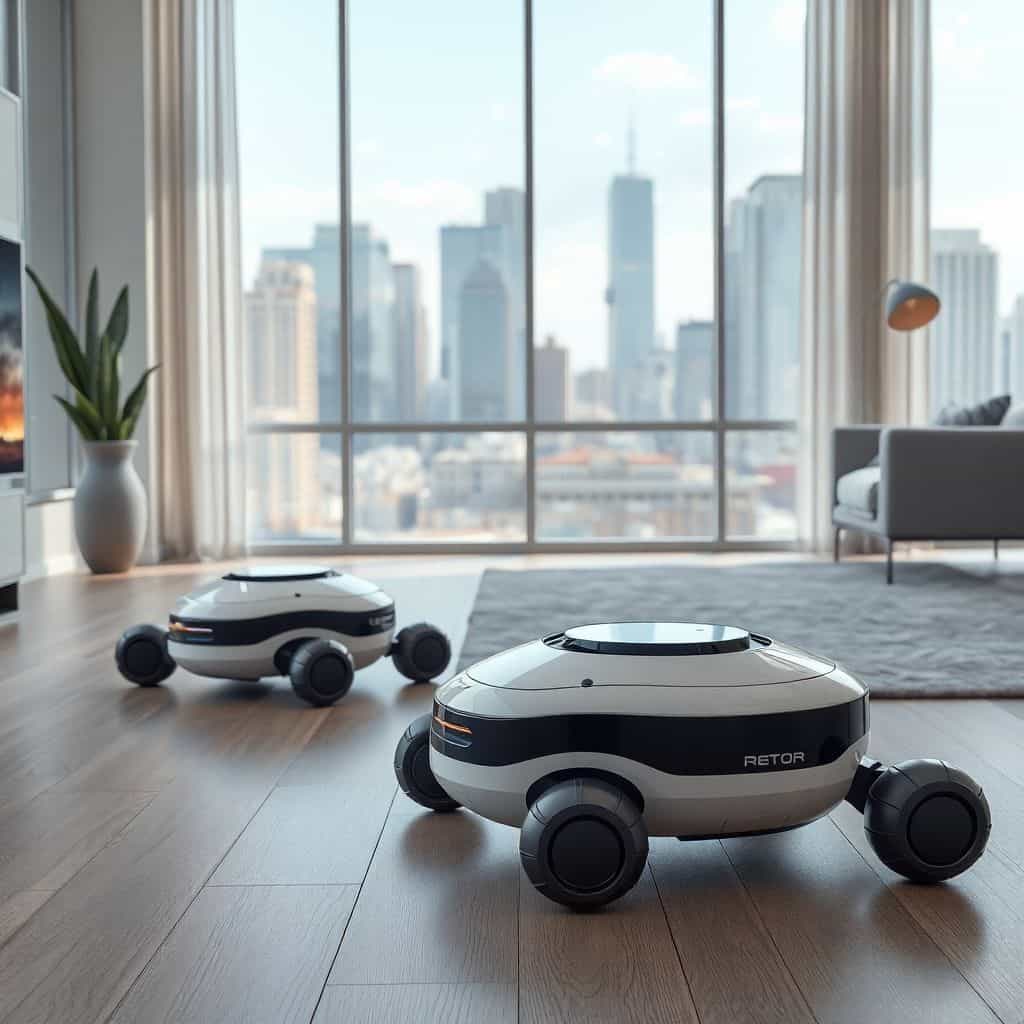
Home Cleaning: A Glimpse into the Future of Floor-Cleaning Robots in 2025
In 2025, the world of floor-cleaning robots will witness significant innovations and market shifts. From advanced models to competitive deals, this comprehensive exploration examines emerging technologies, geographic trends, and purchasing advice to help consumers make informed decisions in acquiring their ideal floor-cleaning robot.
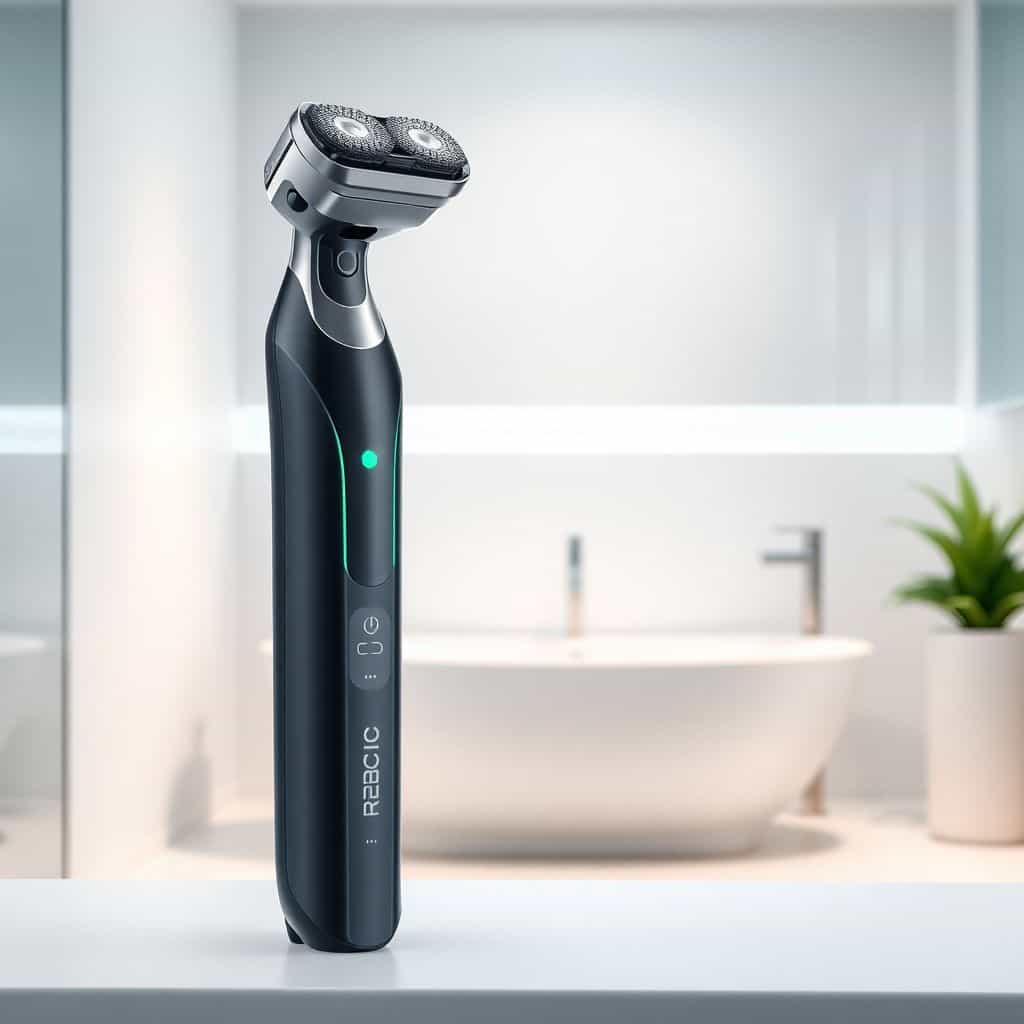
Electric Razors: Innovations and Market Trends
As we step into 2025, the electric razor market is brimming with innovations that promise to transform personal grooming. This article delves into the latest models, market trends, and emerging technologies in the electric razor industry. Explore the best offers available and understand the regional buying trends shaping the future of personal grooming.
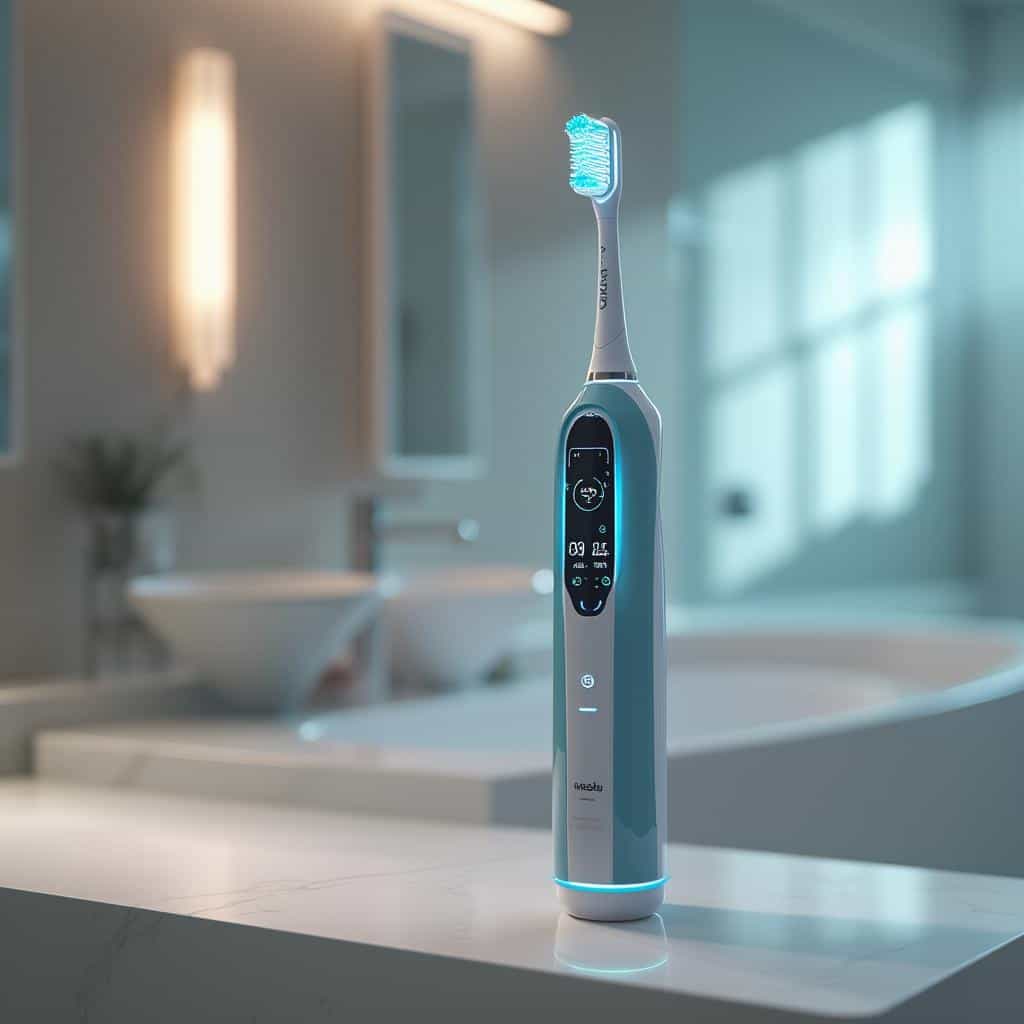
Electric Toothbrushes: Technologies and best deals
Electric toothbrushes have become a staple in oral hygiene routines, thanks to innovations, affordability, and market trends influencing global consumer choices. This article delves into the latest models, technologies, best deals, and geographical trends shaping the choice of electric toothbrushes today.

All-Season Motorcycle Tires in 2025
The year 2025 marks a pivotal moment for all-season motorcycle tires, with new models featuring cutting-edge technology, competitive pricing, and robust market trends. This comprehensive analysis explores advancements, regional market impacts, and exciting offers in the all-season motorcycle tire sector.